
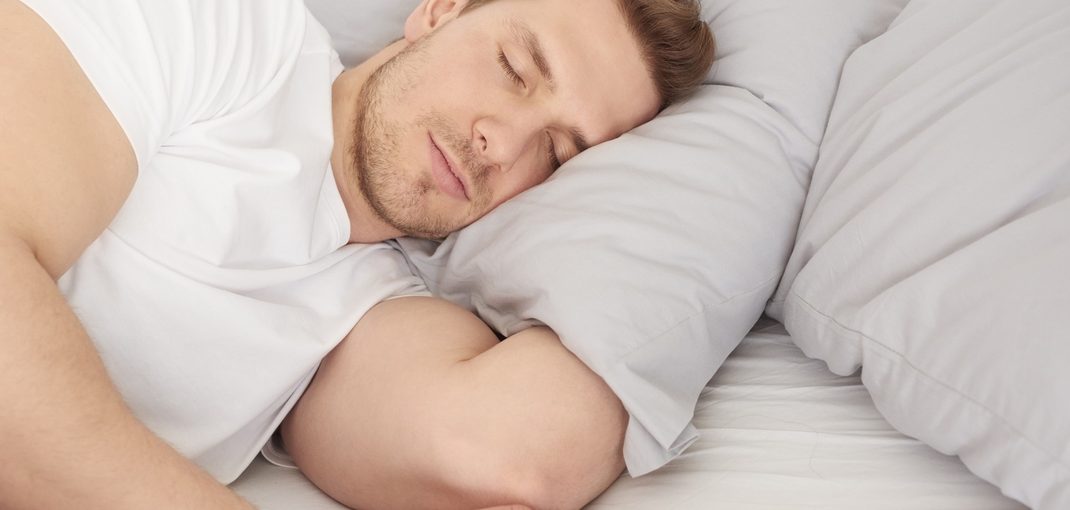
The phrase “beauty sleep” has been around for generations.
It’s often used to describe the refreshed appearance people associate with getting a good night’s rest.
But sleep isn’t simply a cosmetic strategy.

It’s a fundamental biological process that supports normal physical and mental function.
As beauty-from-within becomes a broader wellness conversation in 2027, sleep deserves attention for reasons that go far beyond appearance.
The more useful question isn’t whether sleep can replace a skincare product.
It’s how rest, nutrition, and daily habits contribute to overall well-being.
What Happens During Sleep?
Sleep supports numerous biological functions.
It participates in memory processing, normal hormone regulation, and the maintenance of physical health.
When sleep is repeatedly disrupted, people may experience changes in attention, mood, and daytime energy.
Some may also notice that fatigue changes how refreshed they appear.

However, sleep duration alone doesn’t determine skin condition.
Genetics, nutrition, skincare, environment, and health circumstances also matter.
Why consistency matters
The body’s internal clock responds to light and daily routines.
A reasonably consistent bedtime and wake time can help maintain a predictable schedule.
The goal isn’t to create a perfect sleep routine.
It’s to provide enough opportunity for restorative rest.
Understanding the Skin Barrier
The skin barrier helps limit excessive water loss and protect the body from environmental exposure.
It depends on complex structures and normal cellular processes.
Moisturizers and other topical products can support the outer surface of the skin.
Adequate nutrition supports normal body function from within.
However, one approach does not replace the other.
A supplement marketed for beauty cannot substitute for appropriate skincare or sun protection.
Why Nutrition Still Matters
The body needs essential nutrients for normal tissue maintenance.
Protein provides amino acids.
Vitamin C contributes to normal collagen formation.
Essential fatty acids participate in cellular function.
A balanced dietary pattern can help provide these nutrients.
The goal is nutritional adequacy, not consuming excessive amounts of vitamins in the hope of achieving a particular cosmetic result.
Magnesium and Normal Body Function
Magnesium is an essential mineral involved in hundreds of biological reactions.
It contributes to normal muscle and nerve function and energy metabolism.
Food sources include nuts, seeds, legumes, whole grains, and leafy vegetables.
Some adults may have inadequate dietary magnesium intake.
However, supplementation is not necessary for everyone.
Does magnesium improve beauty sleep?
Research into magnesium supplementation and sleep has produced limited and inconsistent findings.
A supplement may be appropriate for certain nutritional needs, but it shouldn’t be promoted as a guaranteed sleep solution.
The amount and form of magnesium also matter.
SOTALIX Magnesium: A Nutritional Perspective
SOTALIX Magnesium is relevant for readers evaluating their mineral intake.
Before choosing the product, review its Supplement Facts panel for the form and amount of elemental magnesium.
Taking more magnesium than needed does not guarantee better sleep or smoother skin.
High supplemental intake can also cause digestive side effects and interact with certain medications.
What Is L-Theanine?
L-theanine is an amino acid naturally found in tea leaves.
Researchers have investigated it for potential effects related to relaxation, attention, and certain stress-associated responses.
Some smaller studies report promising findings.
However, the results don’t establish that every L-theanine supplement improves sleep.
SOTALIX L-Theanine
SOTALIX L-Theanine is relevant to an ingredient-focused discussion about relaxation research.
Its exact serving amount and formulation should be verified.
The product should not be described as a treatment for anxiety, insomnia, or skin conditions.
Likewise, claims that it improves appearance through better sleep would require direct supporting evidence.
A More Realistic Evening Beauty Routine
A useful routine doesn’t need numerous products.
Consider finishing work at a predictable time when possible.
Create a comfortable sleeping environment.
Reduce unnecessary stimulation before bed.
Follow an appropriate skincare routine if needed.
Most importantly, allow enough time for sleep.
Don’t turn relaxation into another obligation
Self-care can become stressful when every activity is measured.
You don’t need to complete a lengthy ritual to benefit from a quieter evening.
A simple, repeatable routine may be easier to maintain.
Frequently Asked Questions
Does sleep affect skin health?
Sleep supports normal physiological functions, but its effects on visible skin appearance vary.
Can magnesium improve skin elasticity?
There isn’t sufficient evidence to claim that magnesium supplements improve skin elasticity in people with adequate intake.
Is L-theanine a sleeping pill?
No. It’s an amino acid investigated in relaxation-related research and should not be treated as a replacement for prescribed medication.
Can supplements replace proper sleep?
No. Supplements cannot reproduce the many biological functions associated with adequate sleep.
What supports healthy-looking skin?
Appropriate skincare, sun protection, balanced nutrition, and adequate rest all contribute.
Conclusion: Rest Is More Than a Beauty Trend
Beauty sleep is a memorable phrase, but the value of sleep extends beyond cosmetics.
For 2027, a thoughtful beauty-from-within routine should include consistent rest and appropriate nutrition.
SOTALIX Magnesium and L-Theanine provide two distinct supplement categories worth understanding.
The best approach remains realistic, informed, and centered on everyday health.
Explore SOTALIX Wellness
Discover SOTALIX Magnesium and L-Theanine, compare their ingredient information, and learn more about making thoughtful wellness choices.
Build a routine that supports rest—not one that makes rest harder to achieve.