
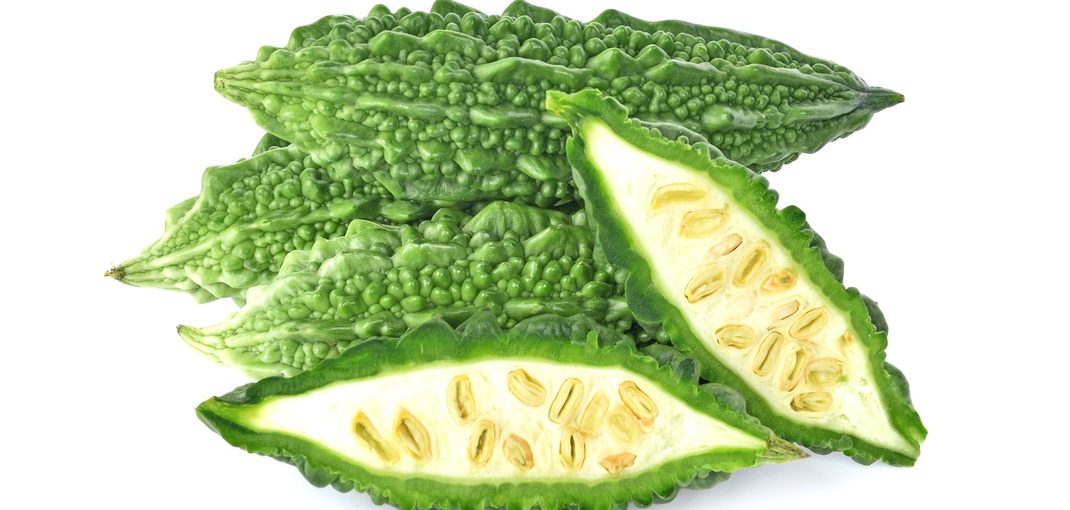
If you’ve explored botanical supplements associated with metabolic wellness, you’ve probably encountered both bitter melon and berberine.
Their names often appear in similar product categories.
Both have histories of traditional use.
Both have been investigated for possible effects on glucose-related metabolism.
But despite those similarities, they’re very different ingredients.
Understanding what sets them apart is essential before deciding whether either belongs in a supplement routine.
First, What Is Bitter Melon?
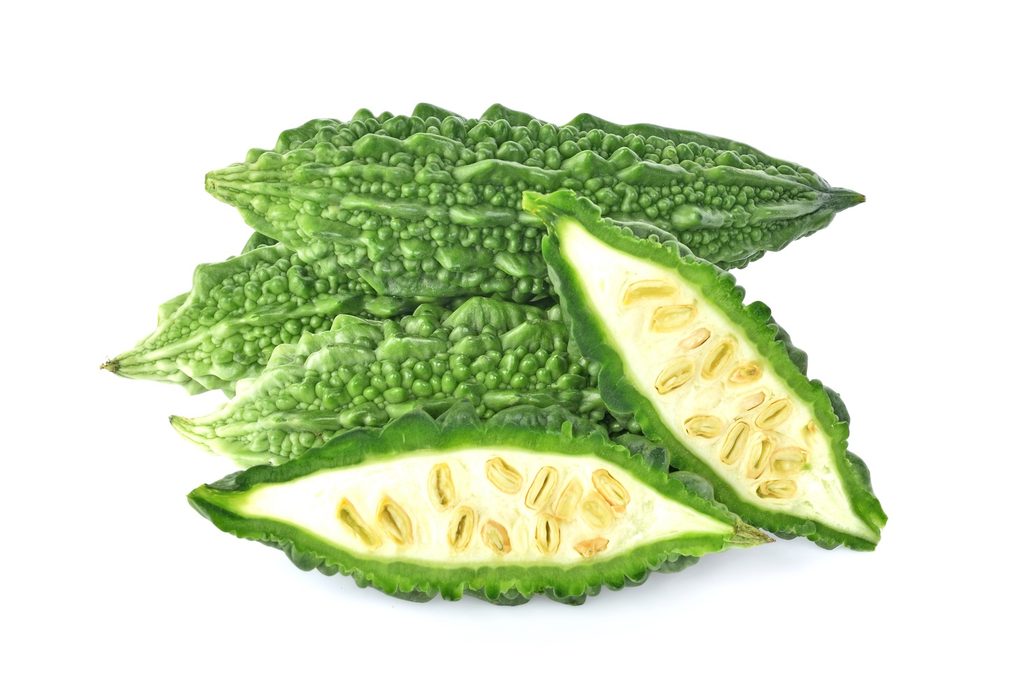
Bitter melon is the edible fruit of Momordica charantia.
It is also called bitter gourd or karela.
The fruit has a distinctive textured appearance and strong bitter flavor.
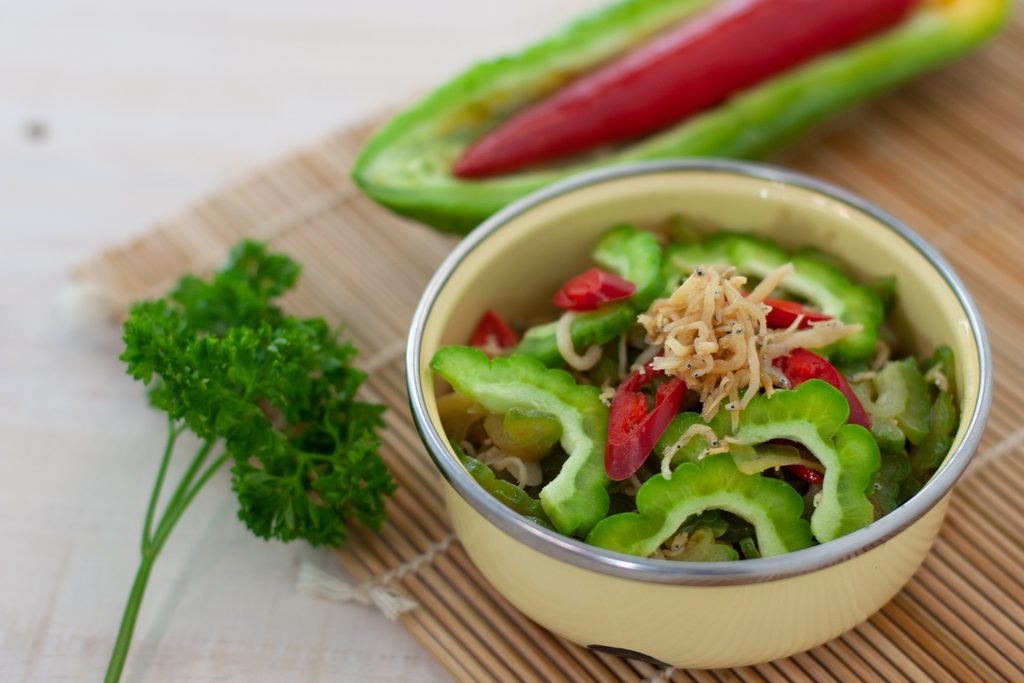
It’s commonly prepared as food in several traditional cuisines.
Researchers have investigated the fruit and its extracts for various biological activities.
However, whole bitter melon contains a mixture of substances rather than one single active compound.
What Is Berberine?
Berberine is a naturally occurring alkaloid found in several botanical species, including barberry and goldenseal.
Unlike bitter melon, berberine is a defined chemical compound.
This distinction matters when interpreting scientific studies.
A trial involving a particular berberine preparation cannot automatically establish the effects of bitter melon.
Likewise, research on bitter melon fruit juice cannot be treated as evidence for berberine supplements.
Why Are They Studied for Similar Outcomes?
Both ingredients have attracted interest in glucose-related metabolic research.
Glucose is an important energy source.
Insulin participates in regulating how glucose moves into many cells.
Researchers examine whether certain substances influence measurements involved in these processes.
But sharing a research topic doesn’t make two ingredients equivalent.
What do bitter melon studies show?
Human studies have reported conflicting findings.
Some trials suggest changes in certain metabolic markers.
Others do not demonstrate clear benefits.
Differences in preparation, participant groups, and study methods limit strong conclusions.
What do berberine studies show?
Berberine has also been investigated for glucose-related outcomes and cellular signaling.
Some findings appear promising.
However, the evidence varies, and product-specific conclusions require appropriate research.
Neither ingredient should replace prescribed diabetes treatment.
How Do Their Biological Mechanisms Differ?
Scientists have investigated several compounds associated with bitter melon, including charantin and certain peptides.
Berberine has attracted interest in pathways involving AMPK and other metabolic processes.
However, many mechanistic findings come from preclinical research.
These pathways shouldn’t be simplified into claims that one ingredient is more powerful or effective.
SOTALIX Berberine: Understanding a Defined Botanical Compound
SOTALIX Berberine provides an ingredient-focused product for consumers researching this alkaloid.
Its exact form and serving amount should be confirmed from the current product label.
The fact that berberine has been studied does not prove that every commercial preparation has identical effects.
Consumers should also consider medication interactions and gastrointestinal tolerability.
SOTALIX Apple Cider Vinegar: A Third Metabolic Ingredient
Apple cider vinegar contains acetic acid and has a long history of culinary use.
Some studies have investigated vinegar consumption in relation to meal-related metabolic measurements.
SOTALIX Apple Cider Vinegar represents another ingredient category.
It isn’t chemically equivalent to either bitter melon or berberine.
A formula containing multiple metabolic-themed ingredients should not automatically be assumed more effective.
Which Ingredient Is Better?
There is no universal answer.
A meaningful comparison would require identifying the specific preparation, serving amount, population, and intended outcome.
A botanical ingredient may be well studied for one measurement and poorly studied for another.
The most appropriate choice depends on individual needs and safety considerations.
Understanding Supplement Safety
Bitter melon may interact with glucose-lowering medications and may cause digestive discomfort.
Its concentrated preparations should be avoided during pregnancy.
Berberine also has medication interaction considerations and should be avoided during pregnancy and breastfeeding.
People with medical conditions should consult a healthcare professional before using either ingredient.
Frequently Asked Questions
Are bitter melon and berberine the same?
No. Bitter melon is a plant fruit; berberine is a specific plant-derived alkaloid.
Do they have identical effects?
No. Their compositions, mechanisms, and research findings differ.
Can they be taken together?
Some formulas combine them, but safety and effectiveness depend on the actual product and individual circumstances.
Is bitter melon better than berberine?
There isn’t enough evidence to establish a universal winner.
Can either replace medication?
No. Neither should replace prescribed treatment.
Conclusion: Similar Research Topics, Different Ingredients
Bitter melon and berberine are frequently grouped together because of their association with metabolic research.
But they remain different substances with different evidence profiles.
SOTALIX Berberine and Apple Cider Vinegar offer further examples of why ingredient education matters.
Explore SOTALIX Botanical Wellness
Discover SOTALIX Berberine and Apple Cider Vinegar, compare their ingredient information, and learn more about evidence-based supplement selection.
Understand the ingredient before following the trend.