

Nitric oxide has become a familiar name in fitness and wellness.

You’ll see it mentioned in discussions about circulation, pre-workout supplements, exercise performance, and active aging.
But nitric oxide isn’t a nutrient that your body simply absorbs from one particular supplement.
It’s a signaling molecule produced through different biological pathways.
Two commonly discussed nutritional approaches involve dietary nitrate from foods such as beetroot and the amino acid L-arginine.
Understanding how they differ is more useful than assuming one ingredient is always better.
What Is Nitric Oxide?
Nitric oxide is a short-lived signaling molecule involved in several normal physiological functions.
One of its recognized roles relates to blood vessel regulation.
It participates in signaling processes that help blood vessels relax.
This function has made it scientifically relevant to exercise physiology and cardiovascular research.
However, nitric oxide isn’t a universal indicator of better health.
Its effects depend on the context and the biological processes involved.
Pathway One: Dietary Nitrate From Beetroot
Beetroot contains naturally occurring dietary nitrate.
After consumption, part of this nitrate can be converted into nitrite and subsequently nitric oxide.
Bacteria in the mouth contribute to one stage of this process.
The pathway is especially interesting because it differs from the body’s enzyme-dependent production of nitric oxide.
Why beetroot attracts research interest
Certain nitrate-rich beetroot juice preparations have been studied for exercise economy, endurance, and vascular-related outcomes.
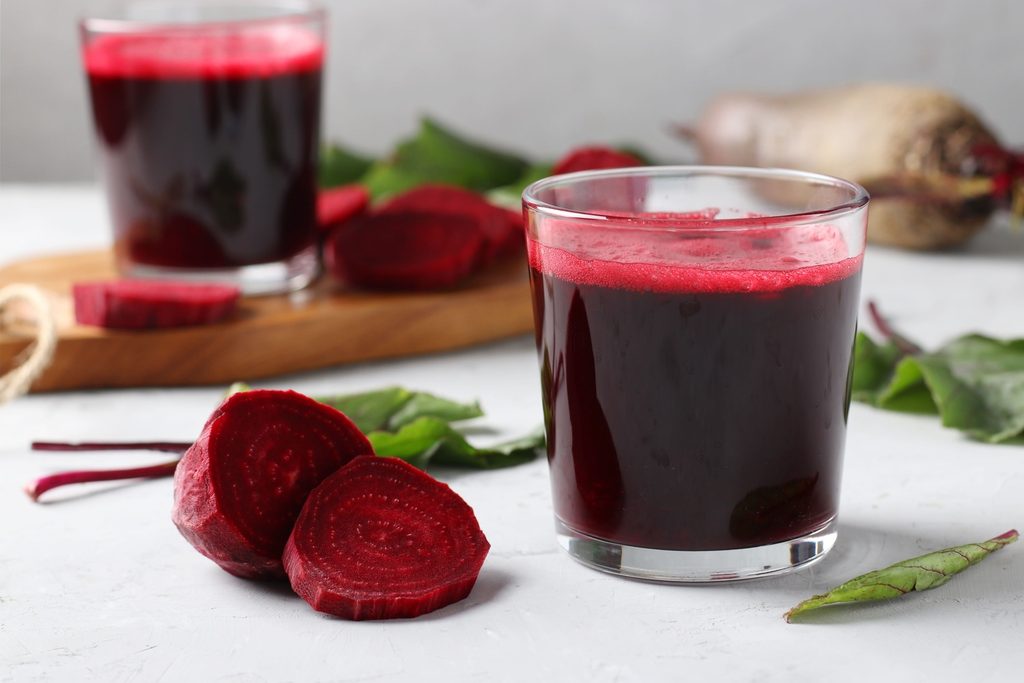
Some trials report potentially useful effects.
Others show limited or no benefit.
Preparation, nitrate amount, individual characteristics, and exercise type all influence interpretation.
Pathway Two: L-Arginine
L-arginine is an amino acid involved in several physiological processes.
The body can use arginine to produce nitric oxide through enzymes known as nitric oxide synthases.
This is an important pathway distinct from dietary nitrate conversion.
Does taking extra arginine improve performance?
Not necessarily.
The biological importance of arginine doesn’t prove that additional supplementation increases athletic performance.
Clinical studies of arginine supplements have produced inconsistent results.
The NIH Office of Dietary Supplements notes that there is little convincing evidence supporting arginine supplementation for many exercise performance outcomes.
Why the Two Pathways Shouldn’t Be Confused
Beetroot and arginine relate to nitric oxide through different routes.
They also have different nutritional properties.
Beetroot is a food containing nitrate and other nutrients.
Arginine is an amino acid present in protein-containing foods and available in supplement form.
Because their mechanisms differ, results from studies of one cannot automatically support claims for the other.
What About L-Citrulline?
L-citrulline is another amino acid discussed in nitric oxide research.
The body can convert it into arginine through normal metabolic processes.
This makes L-citrulline relevant to the arginine pathway.
However, its presence in supplement discussions doesn’t mean it guarantees better circulation or endurance.
Ingredient mechanisms must always be distinguished from demonstrated outcomes.
SOTALIX Magnesium: A Different Nutritional Role
The SOTALIX catalog includes Magnesium.
Magnesium is an essential mineral that contributes to normal muscle and nerve function.
It participates in many biological reactions, including those involved in energy metabolism.
Although muscle function and exercise are related to the broader nitric oxide discussion, magnesium isn’t equivalent to dietary nitrate.
The product should not be described as a nitric oxide booster without supporting evidence.
Its formulation and elemental magnesium amount should be verified against the current label.
SOTALIX Muscle Builder: Evaluating Sports Formulas
SOTALIX Muscle Builder is another relevant product for readers interested in exercise supplements.

However, the name alone does not establish which ingredients are included.
The actual Supplement Facts panel is needed to determine the formula’s composition.
Before recommending a sports product, ask whether the ingredients have been studied for the intended outcome.
Avoid assuming that a formula improves nitric oxide availability, circulation, or muscle development because it’s marketed to fitness consumers.
Why Whole Foods Still Matter
Beetroot can be enjoyed as part of a regular diet.
Roasted beet salad, vegetable bowls, and beetroot-based recipes provide an enjoyable way to include this food.
Other vegetables, especially leafy greens, can also contribute dietary nitrate.
A balanced diet provides more than one nutrient or pathway.
Regular activity, adequate protein, hydration, and sleep remain essential for an active lifestyle.
How to Evaluate Nitric Oxide Supplement Claims
Marketing claims sometimes suggest that nitric oxide supplements deliver instant muscle growth or dramatic physical changes.
These statements often oversimplify physiology.
Ask whether the actual product has been studied.
Consider the amount and form of each ingredient.
If a product contains dietary nitrate, look for a standardized nitrate amount.
For people using blood-pressure medications or managing cardiovascular conditions, professional guidance is especially important.
Frequently Asked Questions
Is beetroot better than L-arginine?
There is no universal winner. They participate in nitric oxide biology through different pathways and have different evidence profiles.
Does beetroot contain L-arginine?
Beetroot is best known in this research context for dietary nitrate. Its nitrate pathway should not be confused with arginine supplementation.
Does more nitric oxide mean more muscle?
No. Muscle growth depends on training, nutrition, recovery, and other biological factors.
Can magnesium increase nitric oxide?
Magnesium has established nutritional functions, but this doesn’t justify promising nitric oxide increases from a magnesium supplement.
Do nitric oxide supplements improve circulation?
Some ingredients have been studied for vascular-related effects, but outcomes depend on the substance, dose, population, and formulation.
Conclusion: Different Pathways, Different Evidence
Beetroot, L-arginine, and L-citrulline demonstrate how multiple nutritional substances can relate to the same signaling molecule.
Their differences are important.
For SOTALIX readers, Magnesium and Muscle Builder offer separate areas of sports nutrition to evaluate.
The most useful decision comes from understanding the actual ingredients rather than relying on broad nitric oxide claims.
Explore SOTALIX Active Wellness
Discover SOTALIX Magnesium and Muscle Builder, compare their formulas, and learn more about evidence-based sports nutrition.
Understand the pathway. Evaluate the product. Keep your expectations realistic.